
Surf photos at La bougie, Socoa
The Socoa reef, below the beacon surfers call “la bougie” (the candle). Were you in the water? Pick the day and the time: your photos are in there.
Sessions at La bougie
Dead flat. No sessions here.
Either nobody shot this slot, or you’ve got the wrong spot. Happens to the best of us.
Latest surf photos in the Basque Country
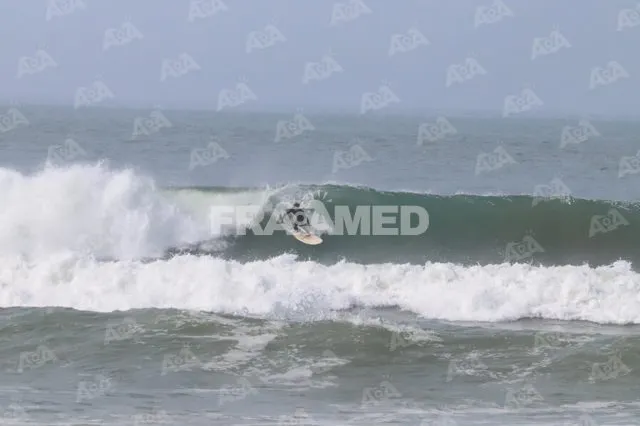
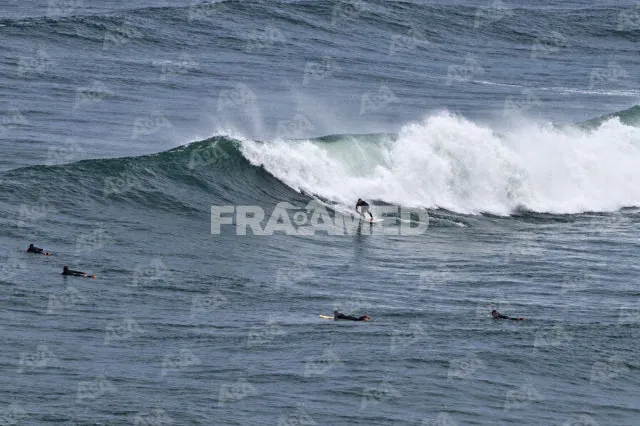
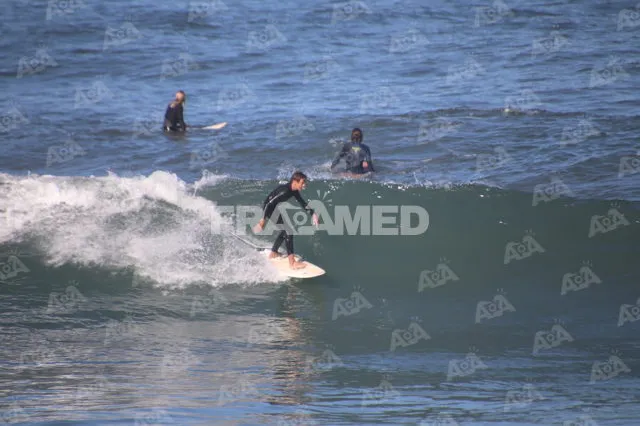
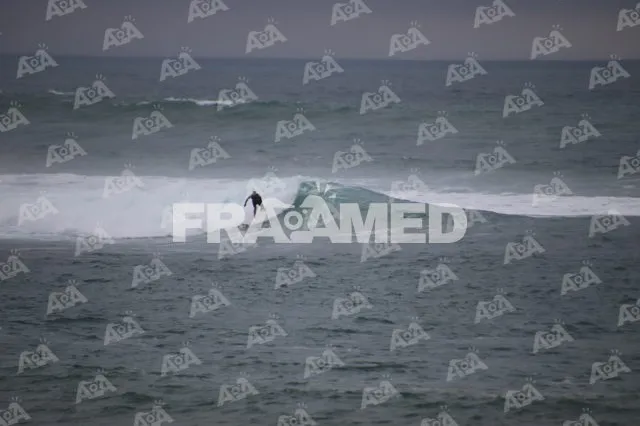
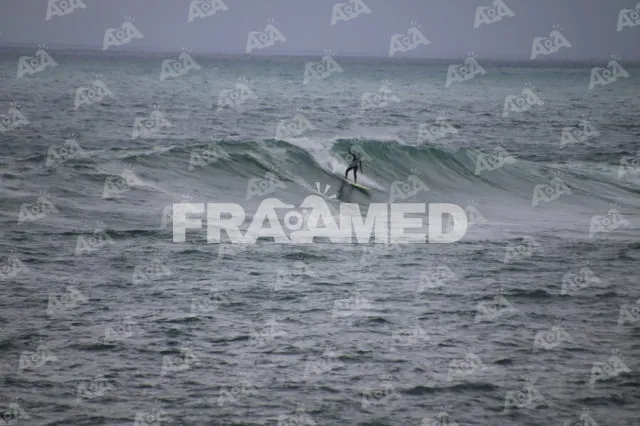
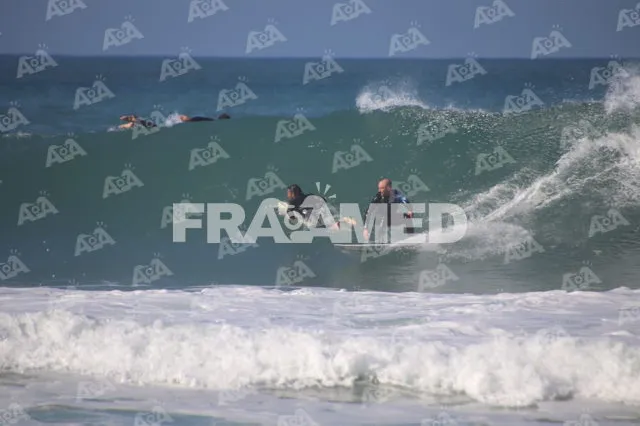
La bougie surf spot in Socoa
- Getting there
- Socoa harbour, below the fort: roadside parking, often full.
- Good to know
- Reef that only works with a big north-westerly swell, low tide and a southerly to south-westerly wind: a favourite with longboarders and SUPs. Views of La Rhune and the bay, crowded when it’s on.
- Best tide
- Low tide
- Level
- Advanced


More about La bougie
On the south side of the Saint-Jean-de-Luz bay, below the Socoa harbour beacon surfers call “la bougie” (the candle), a reef wakes up with a big north-westerly swell at low tide. A wave loved by longboarders and stand-up paddlers, with La Rhune and Socoa fort as a backdrop.
On the days it works, find your session by day and time and download your photos in HD.
La bougie: your questions answered
When does La bougie work at Socoa?
Only in a big swell, usually from the north-west, with a southerly wind. Tucked away at the southern end of the bay of Saint-Jean-de-Luz, the spot mostly comes alive in winter, when the exposed beaches are maxed out, and it’s usually flat in summer.
Why is the Socoa spot called La bougie?
It takes its name from the beacon at Socoa harbour, a concrete marker topped with a green arrow, which surfers nicknamed “la bougie” (the candle). It warns boats about the shallows the wave breaks over.
What kind of wave is La bougie?
A reef wave that mostly runs left but also opens up to the right, and is best ridden on a longboard. Even in a big swell the spot stays very sheltered and fairly mellow, which is why it’s so popular with longboarders and stand-up paddlers.
Does La bougie get crowded?
Yes, on the days it works: the spot only switches on now and then, and plenty of locals are in the water, especially when La Côte des Basques is blown out by winter storms. Expect a demanding paddle too, with strong currents.